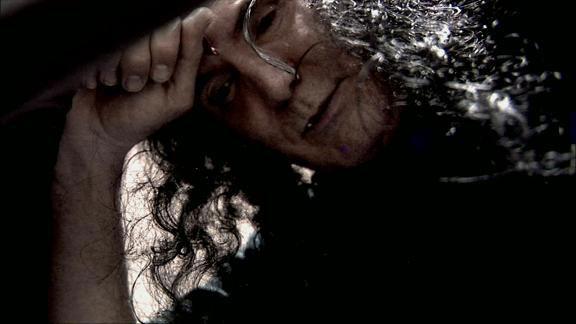
CM Punk and Daniel Bryan, in happier times. Like, last night.
Last night at the WWE TLC pay-per-view, long-time indy favorite and beloved smallish pro wrestler Daniel Bryan did the unthinkable: He pinned a 500-pound wrestling giant to win the World Heavyweight Championship. When the above picture of fellow champion CM Punk and Bryan surfaced, comparisons to the late, regaled and internationally celebrated Chris Benoit and Eddie Guerrero were instant: Two scruffy, 200-pound darlings of the hardcore type of fan had finally made it in the land of storybook monsters and mythological heroes. Think this is going to last very long? History tells you not to bet on it.
What seems like a million years ago but was really only in 1992, the WWF was staving off the symptoms of internal sex, drugs and rock-and-roll scandals. A handful of then-current and then-past WWF employees were being accused of sexual exploits with under-aged, starry-eyed, same-sex nubiles. Vince McMahon was being implicated in stories from women painting him an insatiable sexual monster. Multi-time champion, world-renown hero and No. 1 merchandise peddler Hulk Hogan needed a break after eight years, not because Hulkamania no longer went wild but because the gravy train took a stop at “The Arsenio Hall Show,” where the 800-pound orange gorilla lied about his steroid use (“One time, brother,” and the needle had been stuck there ever since, dude), an issue that would put McMahon on trial for the better part of the next 18 months.
Without the Hulkster to weigh down the company, the WWF went in a few different directions with its headliners and championships. This experimentation was largely unheard of for the billion-dollar company; it had sold out arenas with the same guy on top since Bruno Sammartino’s inaugural eight-year reign. (Sure, Bob Backlund, in the ‘70s and ‘80s, was a pale, smallish guy, but a lot of other, bigger wrestlers headlined those cards.) Tinkering with success was simply not in the WWF formula, until fate (and the company’s own misgivings) forced its hand. Thankfully, in 1991, McMahon had brought in Ric Flair, largely considered the greatest professional wrestler ever, to be the chief antagonist, first for Hogan, then for famed star Roddy Piper, and later for Macho Man Randy Savage. It was with Savage that Flair battled for the WWF Championship, a prize normally held by someone who either weighed or looked like he could bench-press 300 pounds.
With the steroid issue bringing the WWF’s roster of physiques into question, McMahon began putting the belt on smaller, yet very accomplished wrestlers: first Flair, then Savage, then Flair again. But the writing was on the wall; one Wembley Stadium 80,000-plus sellout aside, box offices were dwindling as the WWF moved away from Goliath-versus-goliath main events. If there’s one other thing the McMahon family has always had a penchant for besides Herculean physiques, it’s Samoans.
Filed under: Eric's Blog | Tagged: Bret Hart, Brock Lesnar, Chris Benoit, CM Punk, Daniel Bryan, Eddie Guerrero, Eric's blog, Hulk Hogan, Shawn Michaels, steroids, TLC, Triple H, Vince McMahon, WWE, WWF, Yokozuna | Leave a Comment »